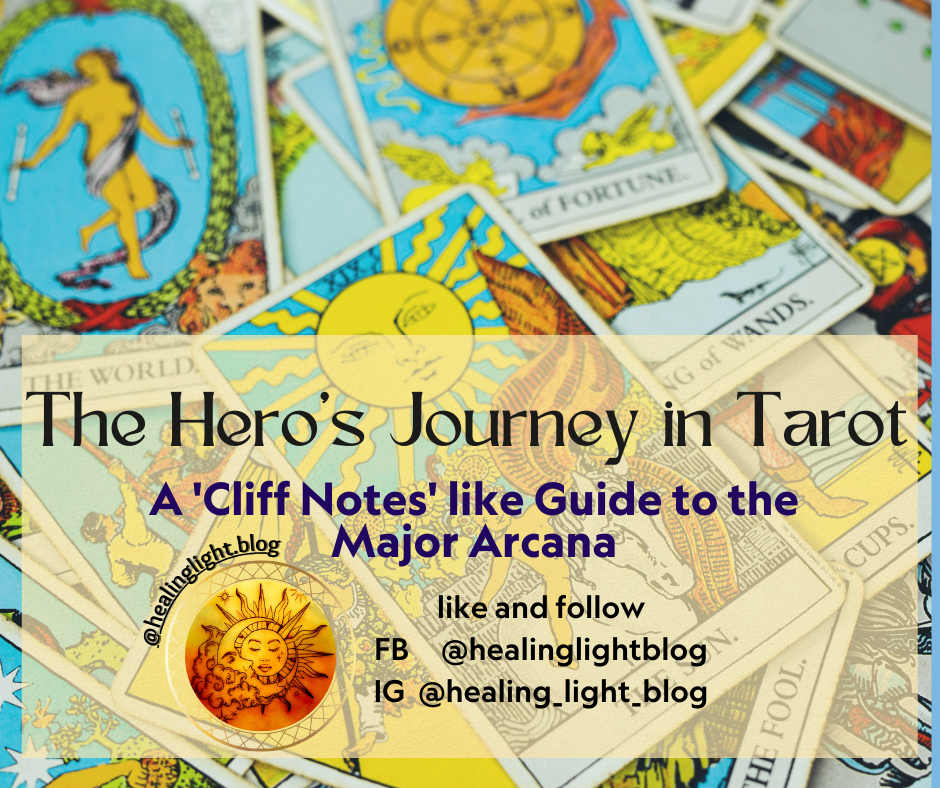
A ‘Cliff Notes’ like Guide to the Major Arcana
In tarot, the Major Arcana stands together as a guide to the hero’s journey of self-discovery and transformation. Comprising 22 archetypal cards, the Major Arcana represents universal themes and life lessons that resonate with the human experience. In this blog post, we’ll delve into the symbolism of key cards within the Major Arcana, exploring their meanings and significance in tarot readings.
The Fool (Card 0)
The Fool represents new beginnings, innocence, and a sense of adventure. He is the eternal optimist, embarking on a journey of self-discovery with a sense of childlike wonder and curiosity. The Fool encourages us to embrace the unknown and trust in the universe as we navigate life’s twists and turns.
The Magician (Card I)
The Magician embodies creativity, manifestation, and personal power. He harnesses the elements of earth, air, fire, and water to bring his desires into fruition. The Magician reminds us of our innate ability to create our own reality and manifest our dreams through focused intention and action.
The High Priestess (Card II)
The High Priestess represents intuition, mystery, and the subconscious mind. She is the keeper of hidden knowledge and ancient wisdom, guiding us to trust in our inner voice and intuition. The High Priestess encourages us to explore the depths of our psyche and embrace the unknown.
The Empress (Card III)
The Empress symbolizes nurturing, abundance, and fertility. She is the embodiment of the divine feminine, representing creativity, sensuality, and maternal love. The Empress reminds us to cultivate a deep connection to the natural world and to honor the cycles of growth and renewal in our lives.
The Emperor (Card IV)
The Emperor embodies authority, stability, and leadership. He is the ruler of his domain, guiding with strength, wisdom, and discipline. The Emperor reminds us to take charge of our lives and to establish boundaries and structure to achieve our goals.
The Hierophant (Card V)
The Hierophant represents tradition, conformity, and spiritual guidance. He is the bridge between the earthly and divine realms, offering wisdom and counsel to those who seek spiritual enlightenment. The Hierophant encourages us to honor tradition while also questioning established beliefs and seeking our own truth.
The Lovers (Card VI)
The Lovers symbolize unity, partnership, harmony and choice. They represent the sacred union of opposites and the power of love to transcend boundaries and bring people together. The Lovers remind us to honor our connections with others and to make choices that align with our deepest values and desires.
The Chariot (Card VII)
The Chariot represents determination, willpower, and triumph over adversity. He is the embodiment of victory and success, overcoming obstacles with courage and perseverance. The Chariot encourages us to stay focused on our goals and to harness our inner strength to overcome challenges and achieve our dreams.
Strength (Card VIII)
Strength embodies courage, resilience, and inner fortitude. She tames the wild beast within and channels her energy with grace and compassion. Strength reminds us to embrace our vulnerabilities and to cultivate inner peace and resilience in the face of adversity.
The Hermit (Card IX)
The Hermit represents introspection, solitude, and inner wisdom. He withdraws from the distractions of the external world to seek guidance and illumination from within. The Hermit encourages us to quiet the noise of the outside world and to listen to the whispers of our own soul.
The Wheel of Fortune (Card X)
The Wheel of Fortune symbolizes cycles, change, and destiny. It represents the ebb and flow of life, the ever-changing nature of existence. The Wheel of Fortune reminds us that life is a series of ups and downs, and that we have the power to shape our own destiny through our choices and actions.
Justice (Card XI)
Justice embodies balance, fairness, and accountability. She holds the scales of truth and impartiality, ensuring that actions have consequences and that justice is served. Justice reminds us to act with integrity and to take responsibility for our choices and their impact on others.
The Hanged Man (Card XII)
The Hanged Man represents surrender, sacrifice, and spiritual enlightenment. He willingly lets go of control and ego, embracing a state of suspension and surrender to the divine. The Hanged Man encourages us to release attachments and expectations and to trust in the wisdom of the universe.
Death (Card XIII)
Death symbolizes transformation, rebirth, and renewal. It represents the end of one chapter and the beginning of another, the shedding of old ways to make room for new growth. Death reminds us that change is inevitable and necessary for growth and evolution.
Temperance (Card XIV)
Temperance embodies balance, harmony, and moderation. She blends opposing forces with grace and patience, finding equilibrium in the midst of chaos. Temperance reminds us to seek harmony in all areas of our lives and to find balance between work and play, action and rest, and material and spiritual pursuits.
The Devil (Card XV)
The Devil represents bondage, temptation, and materialism. He entices us with illusions of power and pleasure, trapping us in cycles of addiction and self-deception. The Devil reminds us to confront our shadow selves and to break free from the chains that bind us to unhealthy patterns and behaviors.
The Tower (Card XVI)
The Tower symbolizes upheaval, chaos, and sudden change. It represents the destruction of old structures to make way for new beginnings. The Tower reminds us that sometimes, breakdowns are necessary for breakthroughs, and that change, though painful, can ultimately lead to growth and transformation.
The Star (Card XVII)
The Star, or the wish card as I was taught, represents hope, inspiration, and spiritual guidance. She shines her light in the darkness, offering a beacon of hope and renewal. The Star reminds us to have faith in the universe and to trust that even in our darkest moments, there is always a glimmer of light to guide us forward.
The Moon (Card XVIII)
The Moon symbolizes intuition, mystery, and the subconscious mind. She illuminates the hidden realms of the psyche, revealing the truths that lie beneath the surface. The Moon reminds us to trust in our intuition and to explore the depths of our subconscious mind for guidance and insight.
The Sun (Card XIX)
The Sun represents joy, vitality, and enlightenment. It radiates warmth and positivity, bringing light into the darkest corners of our lives. The Sun reminds us to embrace the simple pleasures of life and to bask in the warmth of love, happiness, and fulfillment.
Judgment (Card XX)
Judgment embodies reflection, redemption, and spiritual awakening. It represents a moment of reckoning, where we are called to examine our past actions and make amends. Judgment reminds us that true liberation comes from facing our truths and embracing our highest potential.
The World (Card XXI)
The World symbolizes completion, fulfillment, and unity. It represents the culmination of a journey, the realization of our goals and aspirations. The World reminds us that we are interconnected with all of creation and that every ending is also a new beginning.
The Major Arcana cards serve as a map of the human experience, guiding us through the trials and triumphs of life’s journey. By understanding the symbolism and significance of key cards within the Major Arcana, and knowing the significance they convey within tarot readings, we can recognize the insight they provide, gaining clarity and understanding of the world both within and around us. Whether embarking on a journey of self-discovery, seeking guidance, or navigating life’s challenges and opportunities, the Major Arcana cards offer invaluable guidance and support on our path to wholeness and fulfillment.
 Healing Light
Leave a comment