Category: Rituals, Ceremonies and Spells
-
The Celtic Goddess Brigid
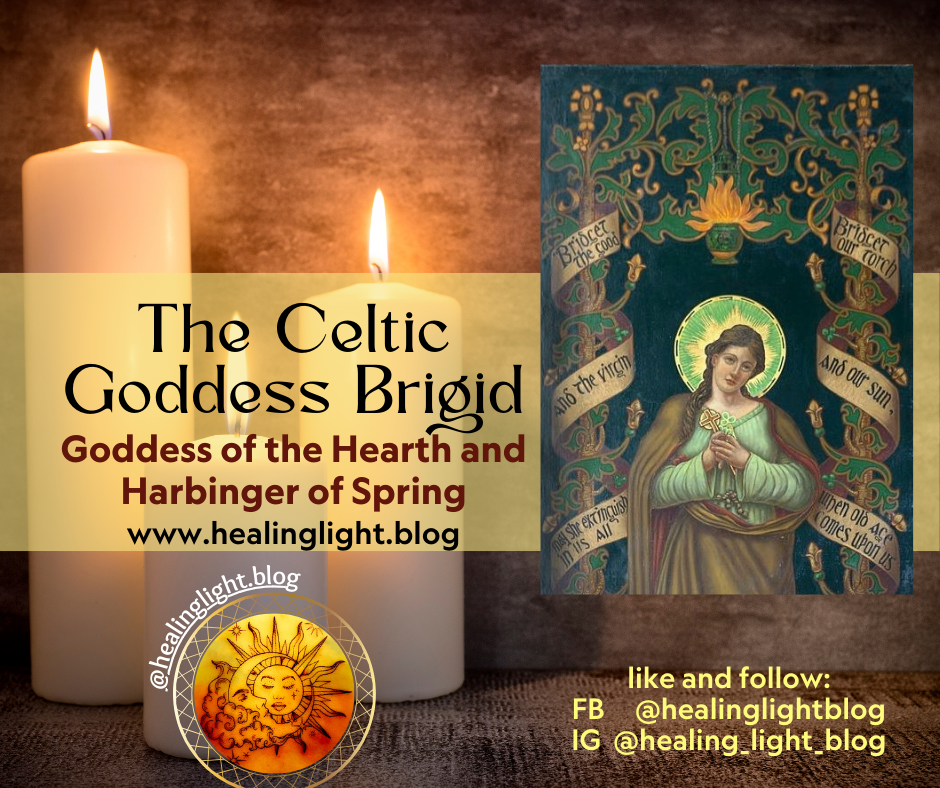
Imbolc marks the midpoint between winter and spring, celebrating the goddess Brigid, representing renewal, fertility, and transformation. Activities during this festival include lighting fires, weaving Brigid’s Crosses, and reflecting on personal intentions. Brigid’s legacy persists through her evolution into St. Brigid, showcasing the blend of ancient traditions and modern spirituality.
-
Celebrating Imbolc
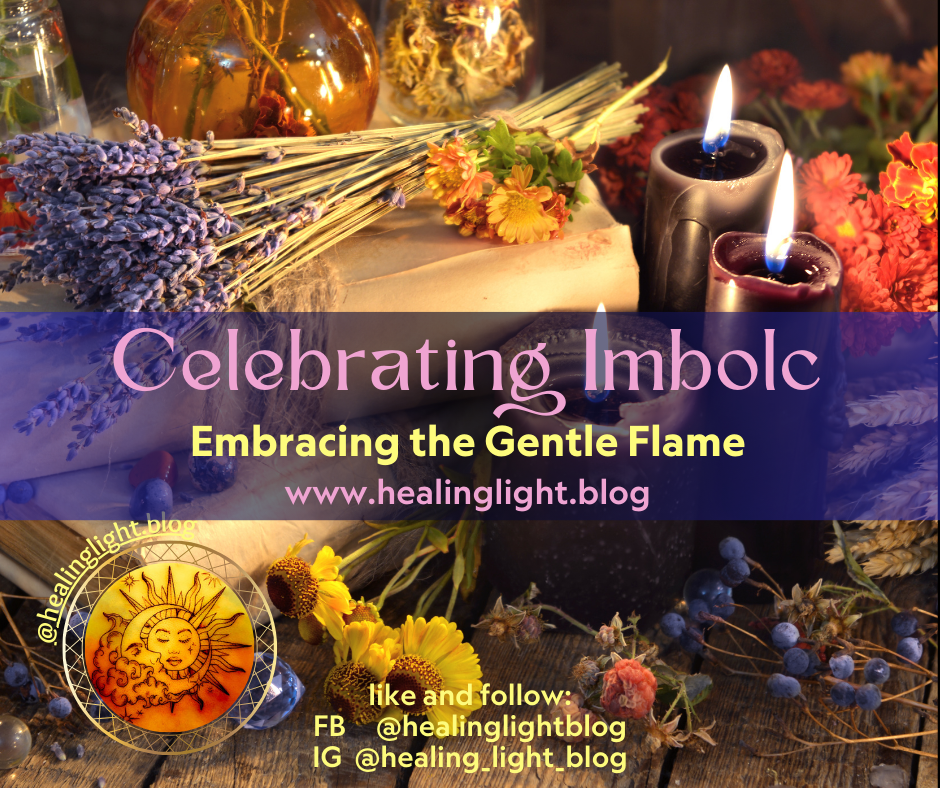
Imbolc, celebrated on February 1, marks the midpoint between winter and spring, inviting introspection and renewal. This gentle season encourages simplicity, intentional gatherings, and nurturing dreams. Celebrants can create candlelit spaces, enjoy intentional meals, and reflect on personal intentions, honoring the subtle increase in daylight and the promise of new…
-
Crafting a Crystal Altar
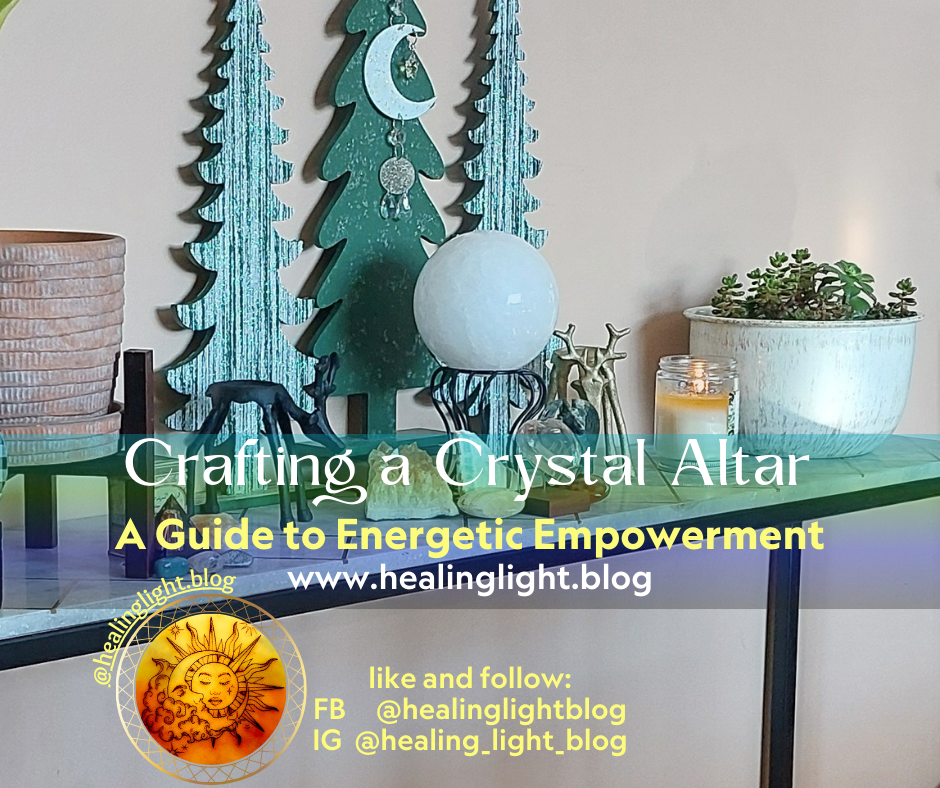
The guide emphasizes the importance of creating a crystal altar as a means of energetic empowerment and personal connection. It outlines the process of selecting a suitable space, cleansing it, choosing resonant crystals according to intentions, arranging them purposefully, and engaging in meditation and intention-setting to enhance one’s spiritual journey.
-
Howl at the Moon
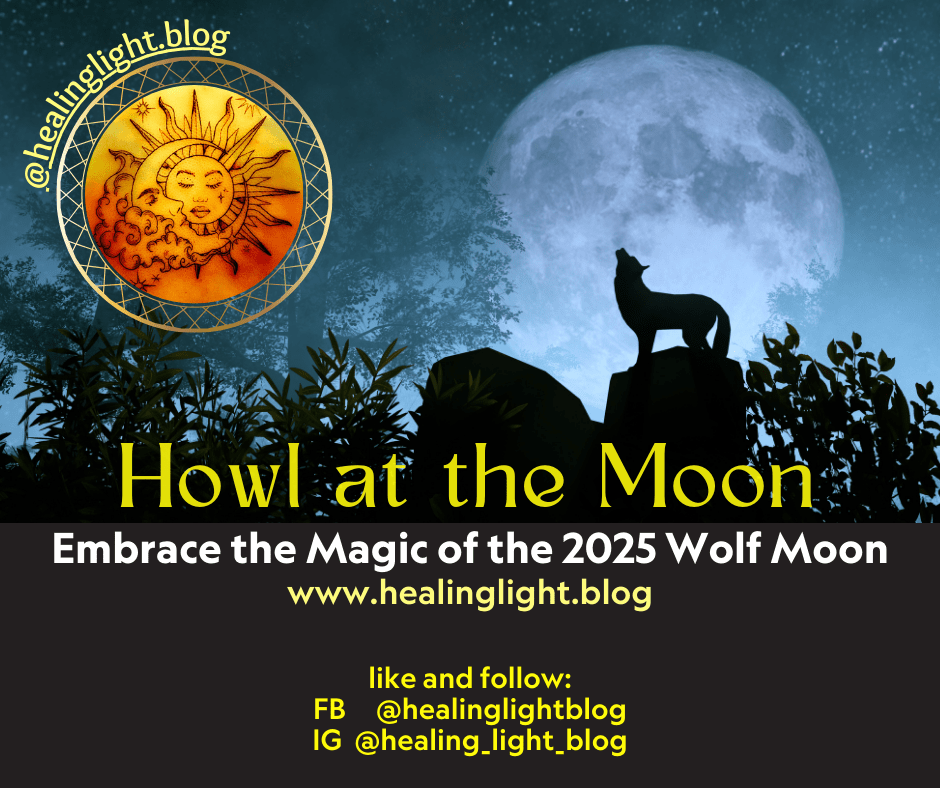
The 2025 Wolf Moon, peaking at 4:27 p.m. CT on January 13, symbolizes renewal and intuition. Its name originates from the howling of wolves in winter, encouraging self-reflection and transformation. Recommended rituals include moon bathing, journaling, and meditation to harness its energy for personal growth and shedding unhelpful patterns.
-
The Prickly Protector

Holly, a symbol of winter resilience and protection, has rich associations in both Celtic and Christian traditions. It was believed to ward off evil spirits and bring good luck, while also symbolizing eternal life and suffering. Today, holly continues to be a cherished decoration during Christmas, enhancing winter celebrations.
-
Winter Solstice

The Winter Solstice on December 21st marks the year’s longest night, signifying renewal and the sun’s return. Celebrated globally, traditions include gathering around a Yule Log, creating altars, sharing festive meals, connecting with nature, and reflecting on personal intentions. It embodies hope, rebirth, and the cyclical nature of life.
-
The Cold Moon
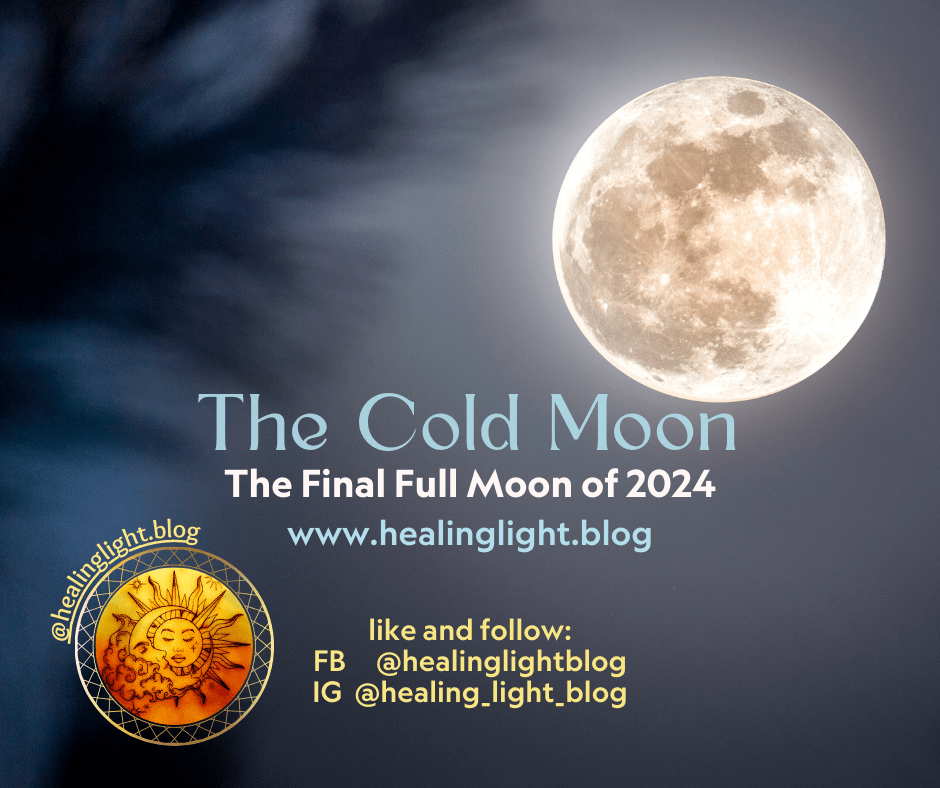
The final full moon of 2024, known as the Cold Moon, occurs on December 15th at 4:02 AM ET. This lunar phase encourages reflection and intention-setting as the year ends. It signifies a time for introspection and spiritual growth, inviting practices like meditation and journaling to embrace the season’s quietude.
-
St. Nicholas Day
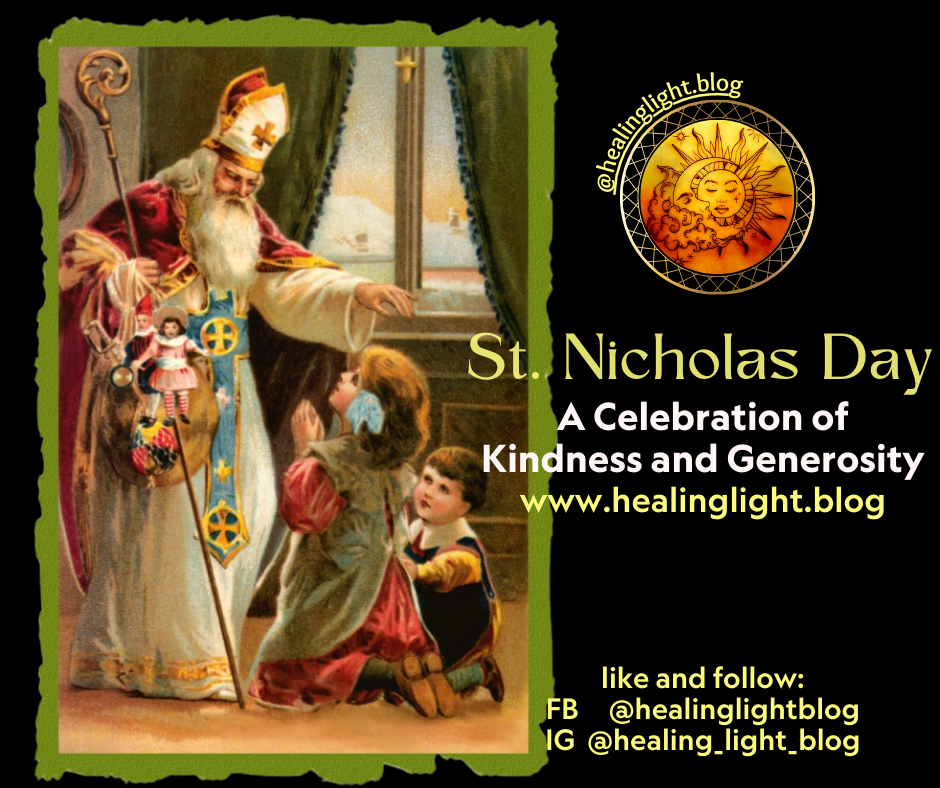
St. Nicholas Day, celebrated on December 6th, honors the virtues of kindness and generosity attributed to St. Nicholas, a 4th-century Greek bishop. Traditions include gift-giving and family feasts, creating a balance of light and dark following Krampusnacht. This day encourages acts of charity and community spirit, embodying the essence of…
-
Krampusnacht
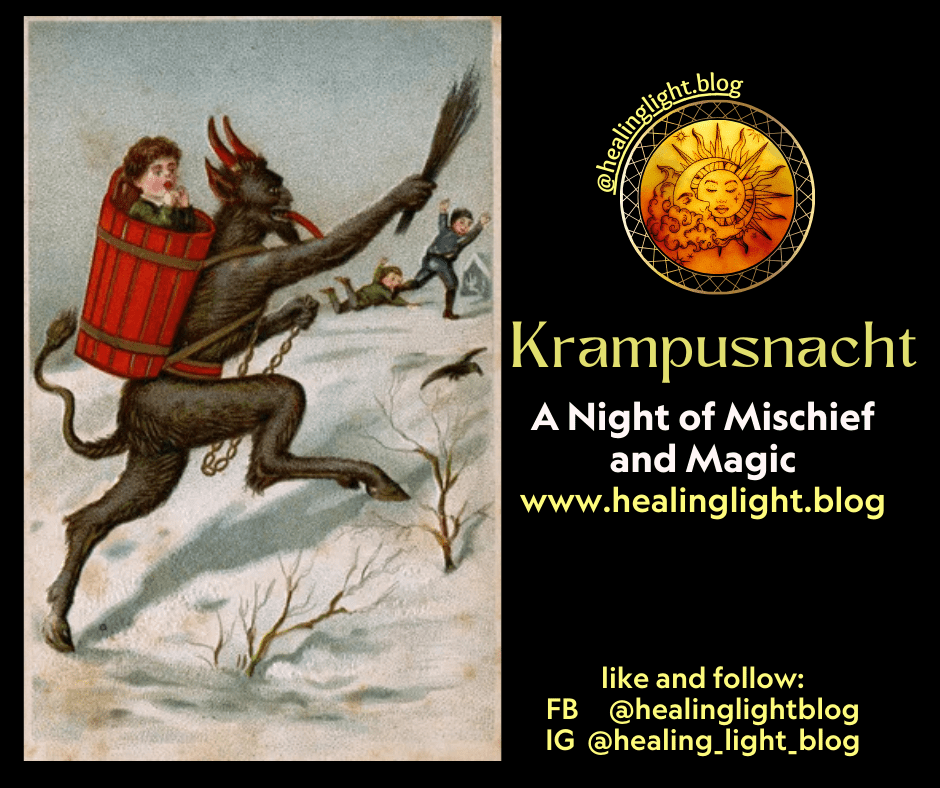
Krampusnacht, celebrated on December 5th, contrasts the benevolence of St. Nicholas with the fearsome Krampus, who punishes naughty children. Originating from Alpine folklore, celebrations include parades and parties where people dress as Krampus. This holiday invites reflection on good and evil, encouraging personal growth through confronting fears.
-
The Pagan Roots of Gift-Giving
The Christmas tradition of gift-giving, rooted in ancient pagan customs, symbolizes love and generosity. Historically, it was linked to honoring deities and strengthening social bonds during festivals like Yuletide and Saturnalia. As Christianity spread, this practice merged with Christmas celebrations, retaining its core values of reciprocity and goodwill amidst evolving…
 Healing Light