Category: Symbols of the Tarot
-
Questions Answered
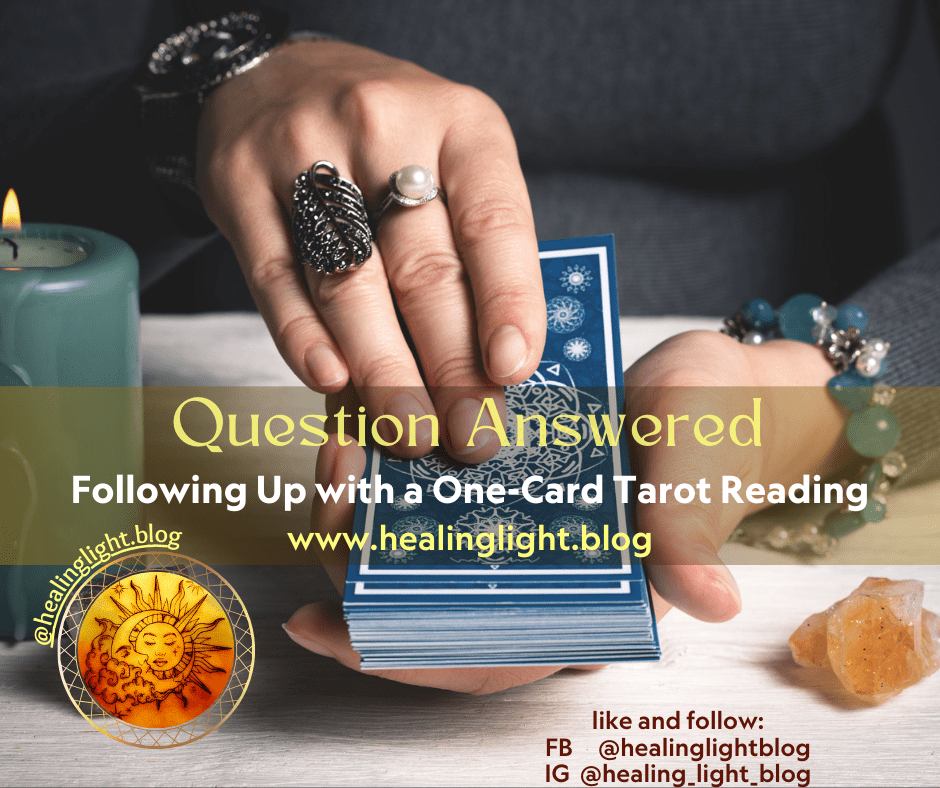
In a recent one-card tarot reading for ‘Fancy Starfish,’ the Knight of Wands was drawn, indicating an upcoming positive change following a challenging period. Accompanied by the Oracle card Tick-Tock, which signifies divine timing, the reading reassures that better times are ahead, emphasizing the importance of embracing new beginnings.
-
The Tower
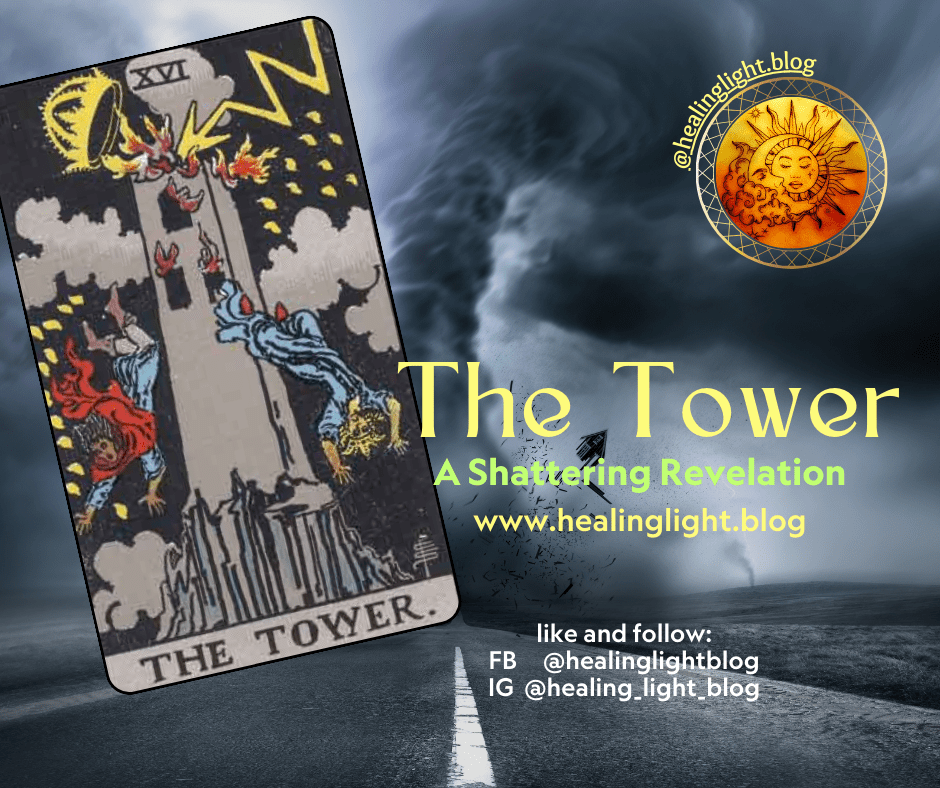
The Tower card in tarot symbolizes upheaval and necessary change, often representing the destruction of outdated structures and beliefs. While its appearance can evoke fear, it ultimately signifies liberation, growth, and the revelation of uncomfortable truths. Embracing the changes heralded by the Tower can lead to profound personal transformation.
-
The Hierophant
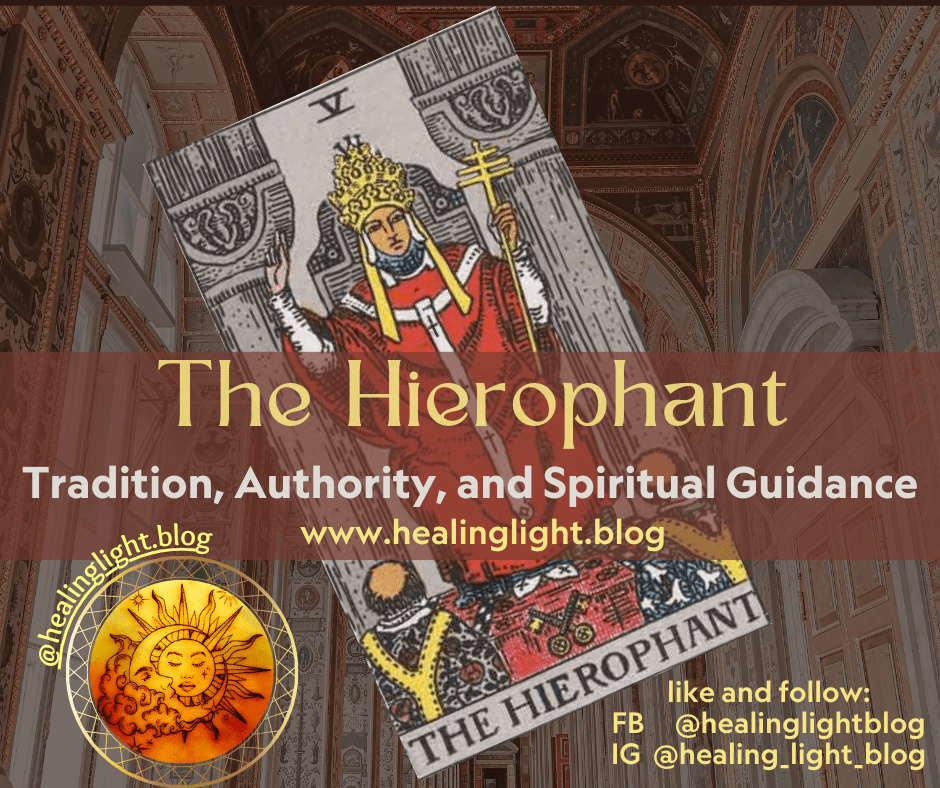
The Hierophant, the fifth Major Arcana card, embodies tradition, authority, and spiritual guidance, often shown as a religious figure. It represents both established structures and the potential for personal growth. Its symbols highlight duality, knowledge, faith, and authority. The card encourages seeking guidance and exploring one’s beliefs while balancing tradition…
-
The Empress in Tarot

The content explores the significance of Mary as an archetype of maternal love and the divine feminine, linking her to Tarot’s The Empress card. This card symbolizes nurturing, creativity, and abundance with rich imagery like the pomegranate and wheat. The Empress encourages growth, self-care, and embracing life’s cycles.
-
The Hanged Man
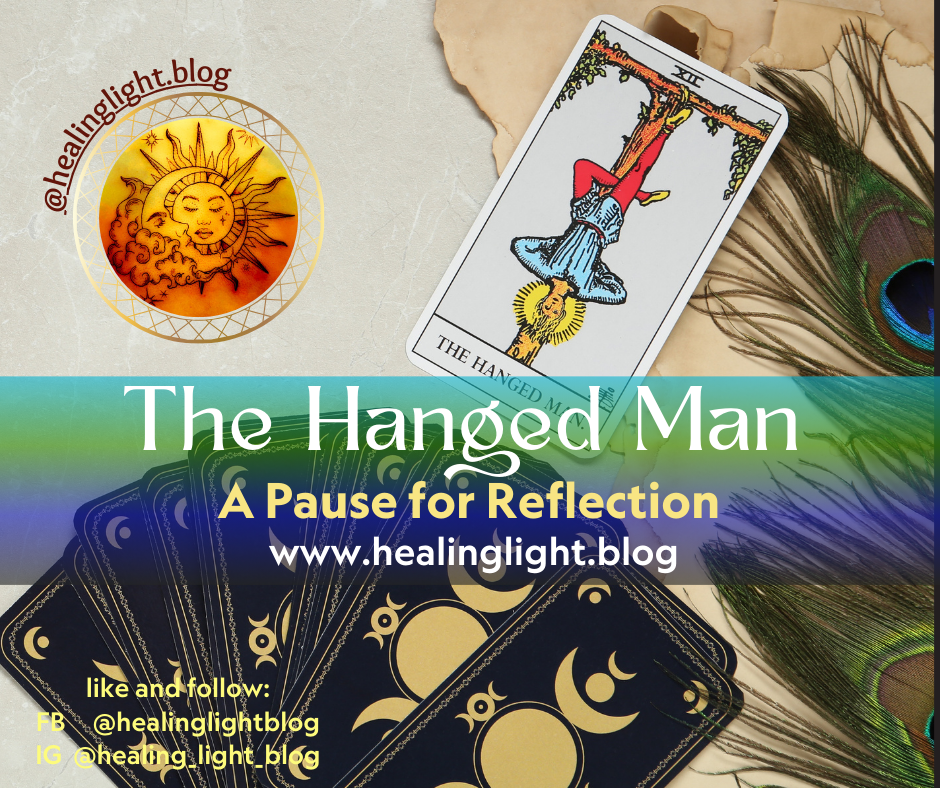
The Hanged Man, the twelfth Tarot card, embodies suspension and sacrifice. Depicted upside down, it symbolizes voluntary sacrifice, acceptance, and the need to let go of unhelpful patterns. In numerology, the number 12 signifies group involvement and necessary delays, promising future success through patience and spiritual growth.
-
Tarot Superstitions
Tarot cards have long been associated with superstition, including beliefs about their inherent evil, predictive power, and ability to manipulate reality. However, these claims lack empirical support. Instead, tarot serves as a valuable tool for self-reflection and personal growth, promoting a deeper understanding without the negativity associated with common myths.
-
Meeting the Hermit
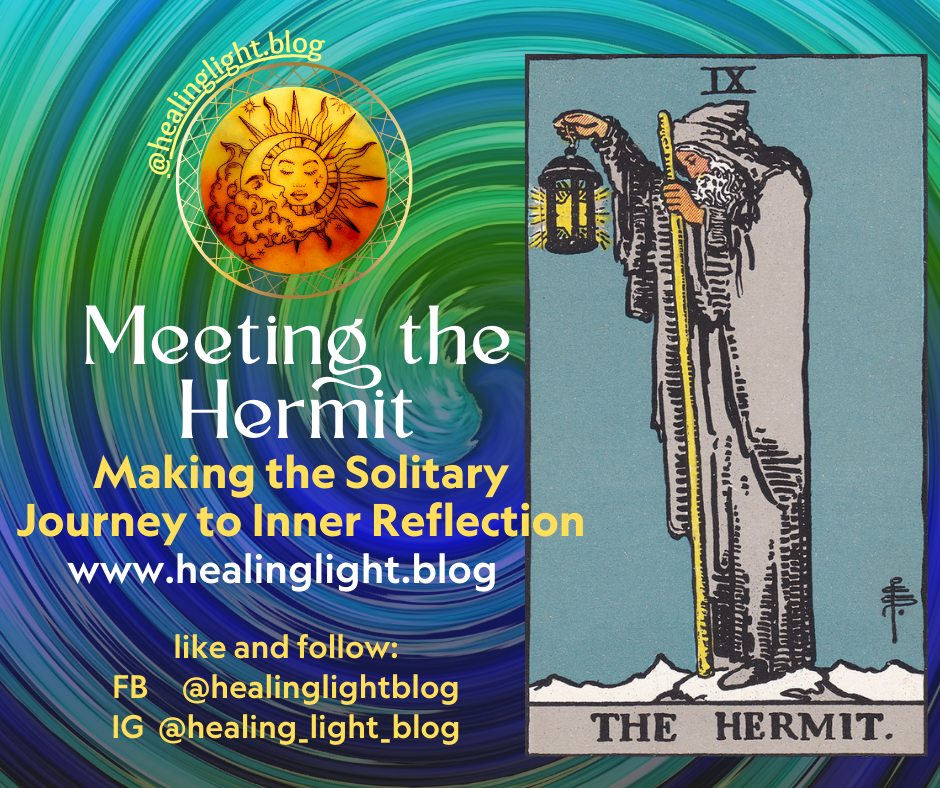
The Hermit card in the Rider-Waite tarot deck symbolizes solitude, inner guidance, self-discovery, and spiritual growth. Representing completion and wisdom, it encourages introspection and offers guidance for those feeling overwhelmed, lost, or seeking spiritual growth. The card reminds us that while solitude is important, we are never truly alone on…
-
A Knight’s Tale
The tarot contains Major, Minor, and Court Arcana. The Knight cards signify change and action. Knight of Wands symbolizes energy and adventure, Knight of Cups represents romance and dreams, Knight of Swords signifies impulsiveness and action, and Knight of Pentacles denotes practicality and achievement. Each card’s elements convey specific meanings…
-
Authority and Stability
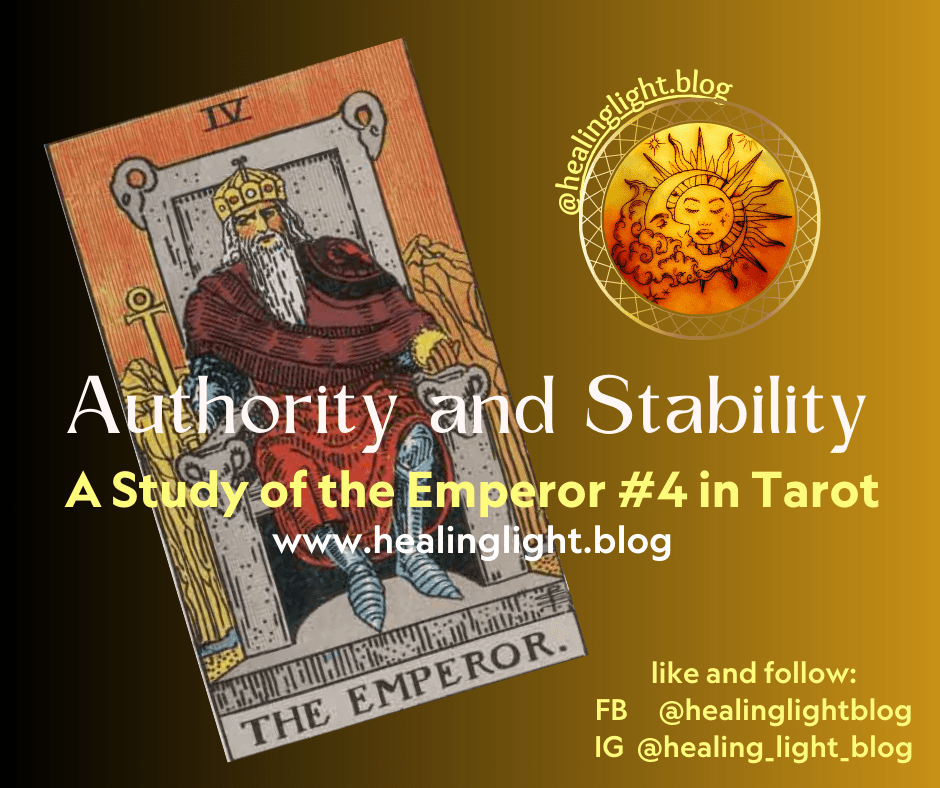
The Emperor card in Tarot represents authority, stability, and groundedness. It signifies leadership, structure, and responsibility, often symbolizing a father figure or mentor. Key symbols like the throne, ram, mountain, and wheat field reinforce these meanings. Aries, the zodiac sign, corresponds to The Emperor, embodying themes of strength and determination…
-
Exploring the Connection
This post delves into the relationship between crystals, tarot, astrology, and metaphysics. These practices share a common thread in exploring the unseen, spiritual, and interconnectedness of all things. Crystals channel energy and have healing/metaphysical properties. Tarot serves as a divination tool for spiritual guidance, while astrology explores cosmic influences and…
 Healing Light